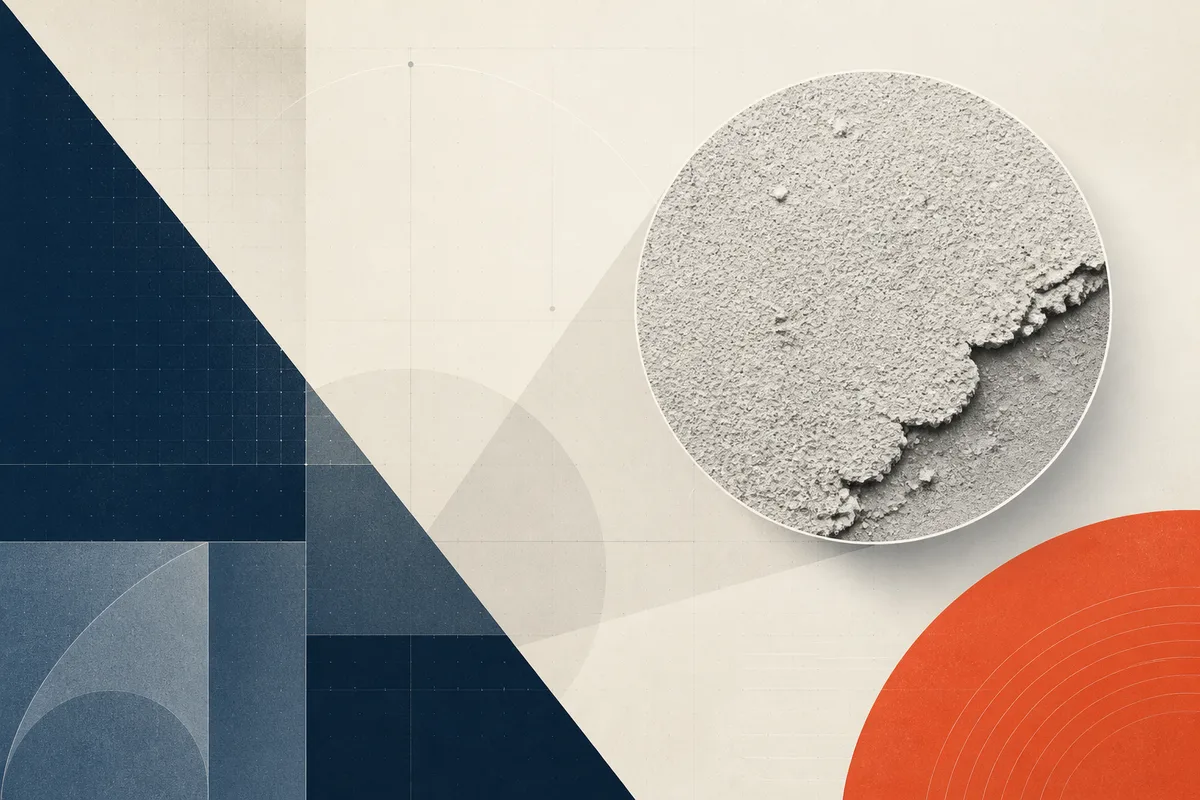
The High Risk of 1970s Acoustic Textures: Identifying Asbestos Popcorn Ceiling
Homeowners in Charlotte often mistake a painted popcorn ceiling for a safe, stable surface, yet paint only masks the underlying hazard. In the 1970s, acoustic texture was prized for its ability to dampen sound and hide imperfections in drywall finishing, leading to its widespread use in both residential and commercial builds. The primary danger isn't the texture itself, but the potential for microscopic fibers to become airborne if the material is scraped, sanded, or even bumped by a piece of furniture.
Identifying asbestos popcorn ceiling requires looking past the surface aesthetic to the structural realities of the era. Whether a ceiling features a heavy "cottage cheese" look or a finer "glitter" finish, the risk remains identical until verified by laboratory analysis. This guide details the visual cues, the hidden impact of overspray, and the technical requirements for safe identification before any renovation begins.
Why Visual Identification Frequently Fails
Relying on a simple eye test is a significant liability for property owners because manufacturers used varying recipes for their mixtures. A ceiling that looks identical to a neighbor’s may have a completely different chemical composition.
- Asbestos fibers are microscopic and invisible to the naked eye, even when the material is crumbling.
- The presence of glitter popcorn ceiling asbestos indicates a specific era of production but does not guarantee the percentage of mineral content.
- Painted layers can make the texture feel hard and "safe," while the underlying material remains friable and easily pulverized.
- Variations in acoustic ceiling asbestos percentage occur because contractors often mixed raw materials on-site, leading to inconsistent distribution throughout a house.
The Playbook for Accurate Identification
1Confirm the Construction Era
Properties built or renovated during the 1970s are the primary candidates for hazardous acoustic finishes. Even if the building was completed later, existing stockpiles of materials were often used until they were depleted. Check local property records to establish a baseline for when the textures were likely applied.
2Inspect for Overspray and Wall Contamination
During the original application, texture was sprayed before trim or flooring was installed, often resulting in "overspray" on the top few inches of the walls. This is a critical area for identifying asbestos popcorn ceiling because these patches are often thinner and show the raw texture more clearly than the heavily painted ceiling. If the walls were later painted, this residue is trapped behind the new coat.
3Evaluate Material Friability
A material is considered friable if it can be crumbled or reduced to powder by hand pressure. In older Charlotte homes, moisture from the humid North Carolina climate can degrade the binders in sprayed on insulation hazards, making the texture more likely to flake off. Test the texture in a discreet corner by applying light pressure with a gloved hand; if it sheds easily, the risk of fiber release is high.
4Account for Layering and Paint
Many owners attempt to "encapsulate" the problem by painting over it, which adds weight to the ceiling and can eventually cause the entire texture layer to delaminate from the drywall. When identifying the material, it is necessary to look at a cross-section to see if there are multiple layers of texture or paint. Testing must include all layers, as the asbestos is often found in the bottom-most application.
The Complexity of Multi-Room Sampling
A common mistake is taking a single sample from one room and assuming it represents the entire building. Professional inspectors typically collect samples from multiple areas because different batches of texture were mixed in separate hoppers. One room might contain a high percentage of asbestos, while another room, finished an hour later with a new batch, might show lower concentrations.
In North Carolina, the law requires that asbestos-containing materials be addressed prior to any demolition or renovation activity. This mandate ensures that fibers do not migrate through the building's airflow. For those in Matthews or surrounding areas, identifying the specific mineral content is the first step in a mandatory regulatory process that governs how the material must be wetted and contained during removal.
How Charlotte Asbestos Removal Helps
A professional assessment typically begins with a site walk-through to identify all suspicious materials, including those hidden behind modern renovations. For popcorn ceiling removal, the scope of work should involve a detailed sampling plan that targets different rooms and texture styles. A sound approach includes high-efficiency particulate air (HEPA) filtration and the use of specialized wetting agents to keep fibers grounded. Property owners should look for a plan that addresses not just the ceiling, but the cleanup of any historical overspray found on wall surfaces or inside closet headers.
Frequently asked questions
Can I tell if my ceiling has asbestos just by looking at it?
No, it is impossible to confirm the presence of asbestos without polarized light microscopy (PLM) testing in a laboratory. While certain "popcorn" or "acoustic" styles were more common during the 1970s, the mineral was used in dozens of different texture formulations that look identical to non-asbestos versions.
Is glitter popcorn ceiling more dangerous than regular texture?
The glitter itself is usually just a decorative additive, but it is a strong indicator that the ceiling was installed during the peak era of asbestos use. The danger comes from the acoustic binder that holds the glitter in place, which often contains friable minerals that become airborne if disturbed.
Does painting over a popcorn ceiling make it safe?
Painting provides a temporary seal, but it is not a permanent solution and often makes future removal more difficult. The added weight of the paint can cause the texture to pull away from the drywall, and any future drilling, scraping, or water leaks will still release hazardous fibers.
Why do I need to test every room if the texture looks the same?
Contractors in the 1970s often mixed their own texture batches on-site using different bags of material. This creates "hot spots" where one room may have a high asbestos content while another is relatively low, making comprehensive sampling across the entire property necessary for safety.
What should I do if I find overspray on my walls?
If you identify textured residue on the top of your walls in a home in Matthews or Charlotte, treat it with the same caution as the ceiling. This material should be sampled by a professional, as it is often the most friable part of the installation and can be easily knocked loose during painting or trim installation.
Is it legal to remove an asbestos ceiling myself in North Carolina?
While some regulations differ for owner-occupied single-family homes, the health risks remain the same. State law requires specific notification and permits for many renovation projects, and hiring an accredited professional ensures that hazardous waste is disposed of at a facility licensed to accept it.
What happens when you get in touch: you describe the situation, we ask the few questions that actually change the answer, and you get a clear scope and next step — no obligation.