Asbestos testing & removal · Charlotte and the surrounding towns Test first · Sealed containment · Clearance before take-down
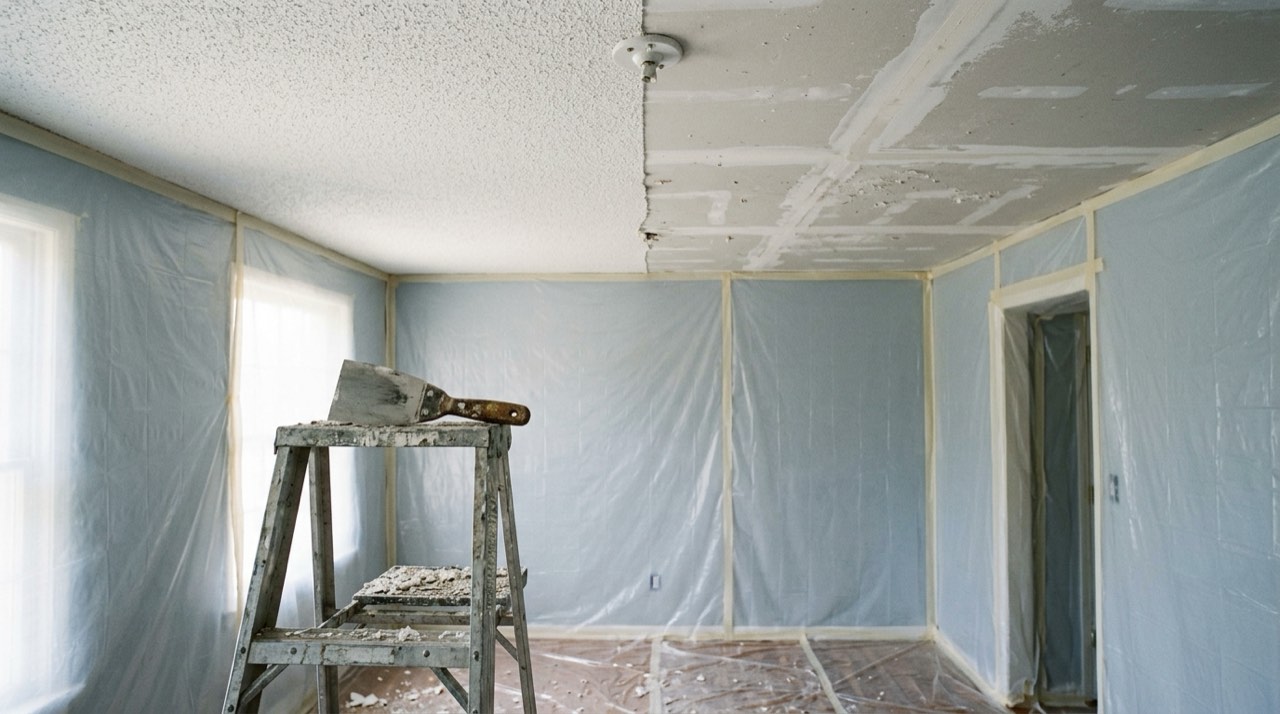
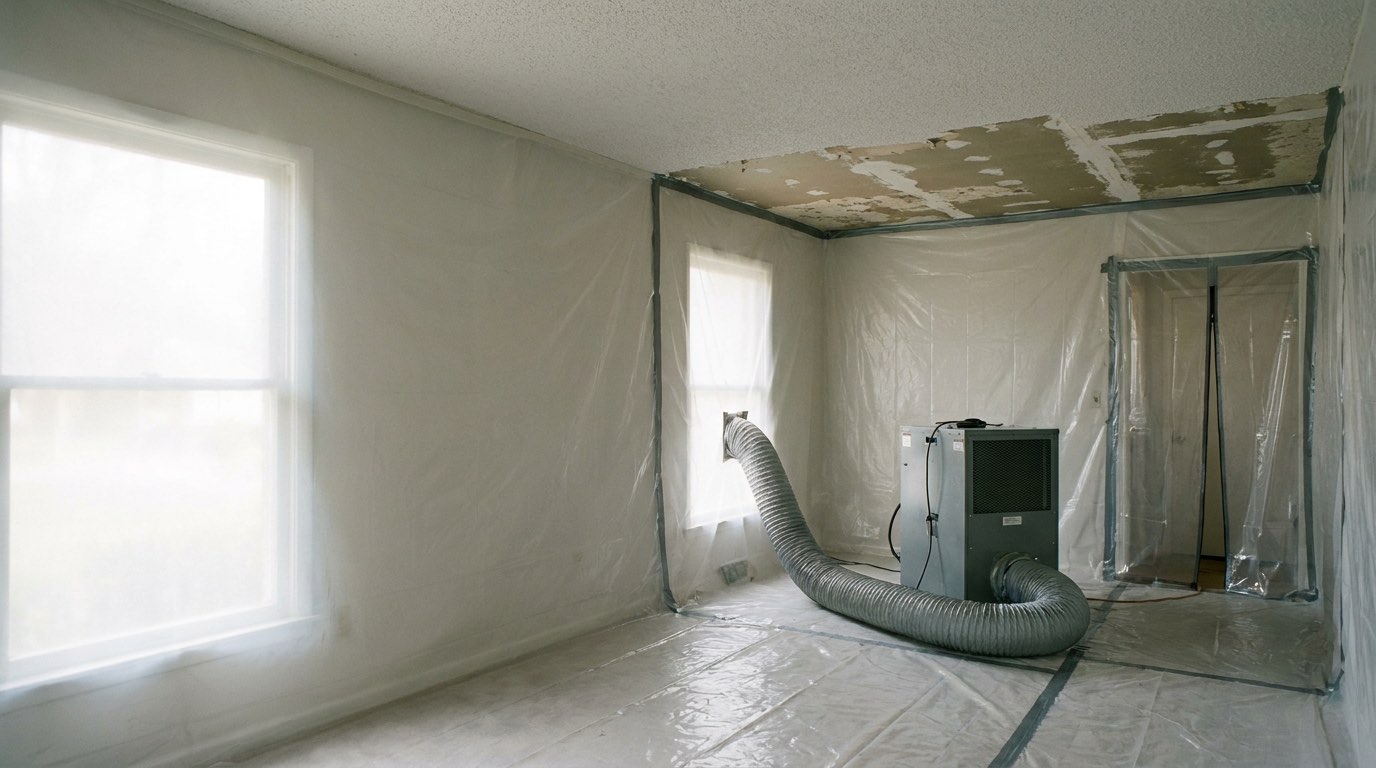
Living room of a 1960s ranch house sealed for asbestos removal: walls and floor covered in clear plastic sheeting with taped seams, part of the popcorn ceiling scraped to bare drywall, a grey negative-air machine with its exhaust duct running to a window, and a zippered plastic flap over the doorway
Charlotte, NC - Asbestos testing and abatement

Test first. Then remove.

Popcorn ceilings, 9x9 floor tile, pipe wrap and old siding in Charlotte-area homes and buildings - sampled, contained and taken out under the Mecklenburg County and North Carolina asbestos rules, with a clearance check before the plastic comes down.

A lab result before anything is disturbed.

  • 01Lab result first
  • 02Sealed containment
  • 03Wet removal
  • 04Clearance check
Call now(704) 327-3475

Free to ask

Think it's asbestos?

Don't sand, scrape or drill it. A quick description is enough to start.

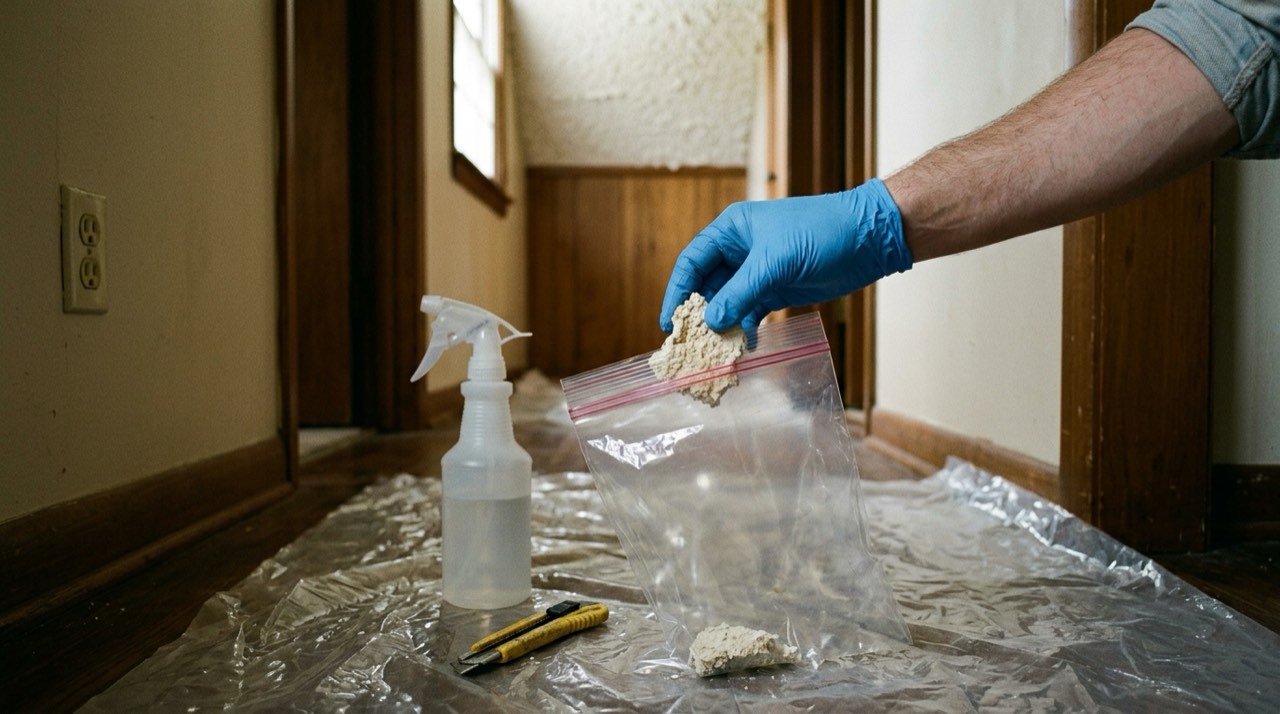
  • A sample and a lab result before any removal is quoted
  • A written scope: material, containment, clearance
  • Notice or permit needs checked for your county
  • We will tell you if the result says it can stay

Think it's asbestos?

Prefer to talk? Call (704) 327-3475.

Got it, thank you.

We will call to talk through what you have found. To talk sooner, call (704) 327-3475

Lab-testedEvery suspect material, before work is planned
Homes & commercialKitchens, basements, attics, whole buildings
SealedContainment under negative air
ClearanceChecked before the plastic comes down

Where it hides in Charlotte buildings

Built Before 1980? Check Before You Renovate

Asbestos went into ordinary building materials for decades. Intact, most of it does little harm. The trouble starts when a remodel cuts, sands or tears it out.

Textured Ceilings

Spray-on acoustic or 'popcorn' ceilings were a standard finish for decades. Some contain asbestos and some do not, and you cannot tell by looking. Scraping one dry is the fastest way to spread fibres through a house.

Floor Tile and Black Mastic

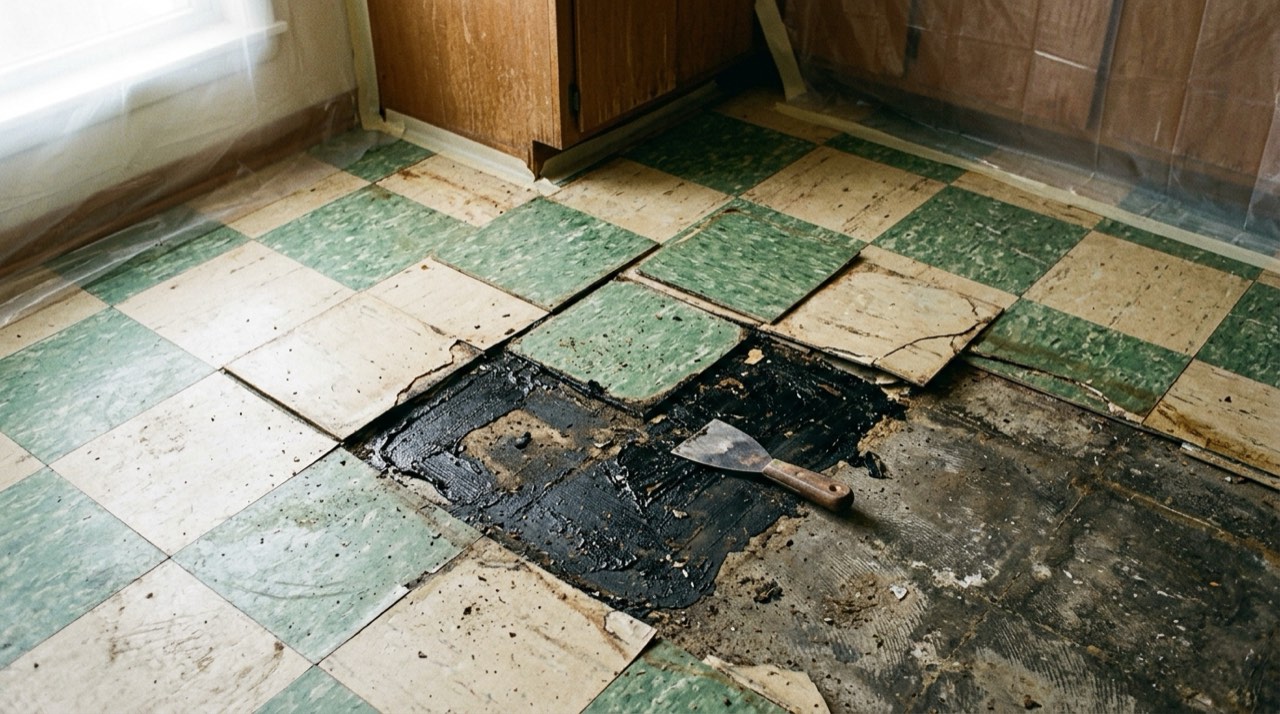
9-inch-square vinyl tiles and the black cutback adhesive under them are among the most common asbestos finds in older homes, and they are usually hiding under the carpet or laminate a remodel is about to pull up.

Pipes, Boilers and Ducts

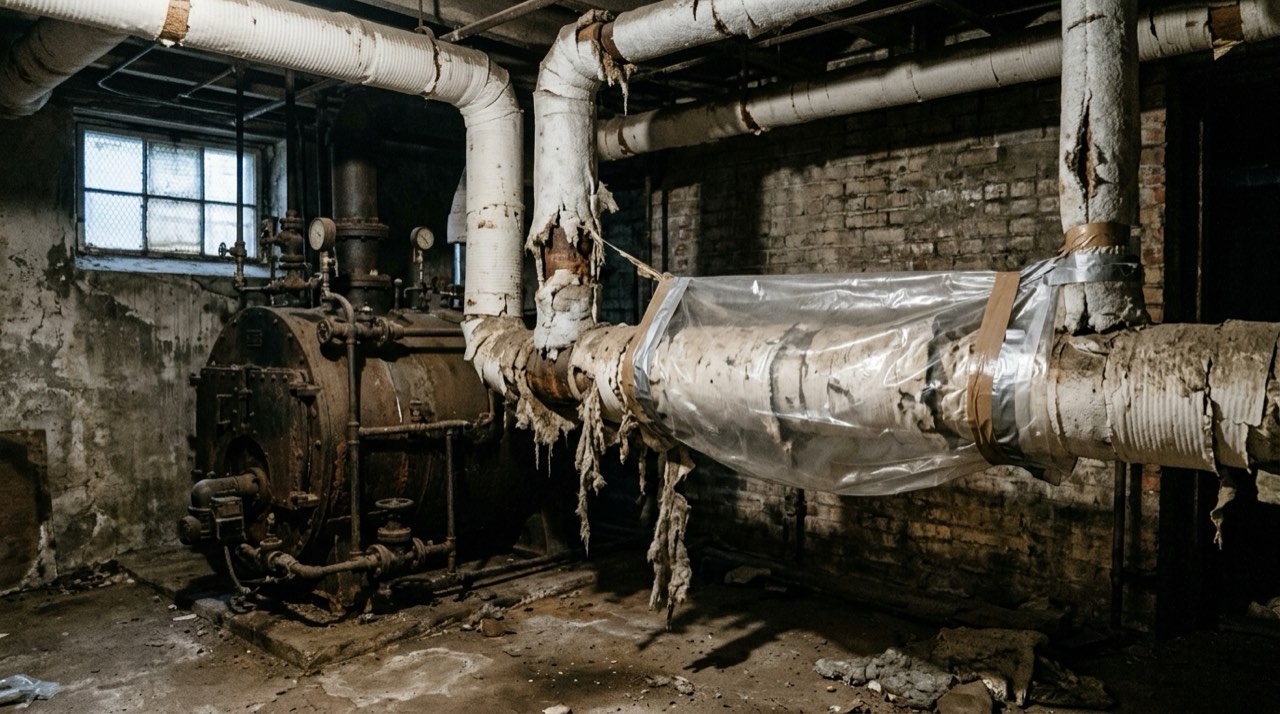
Older heating systems were wrapped in insulation that often contained asbestos: corrugated paper pipe wrap, chalky white lagging on boilers, and tape on duct joints. An HVAC change-out is when it gets disturbed.

Attic Vermiculite and Old Siding

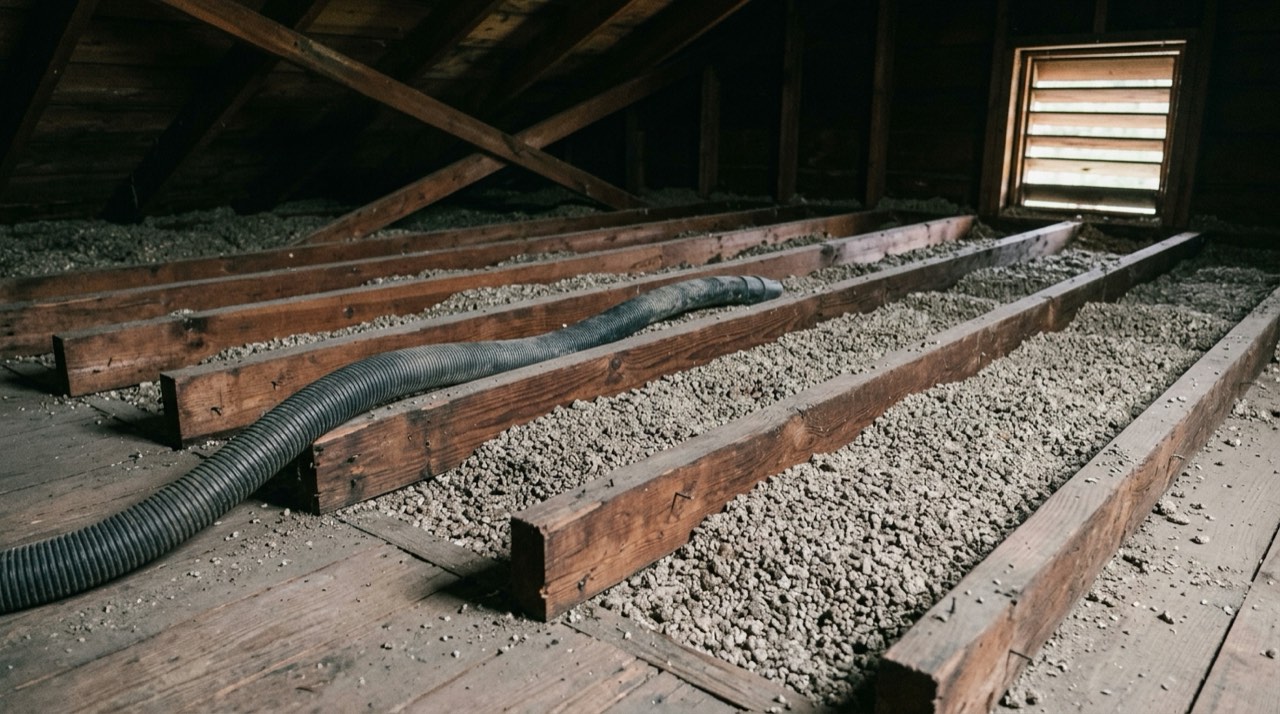
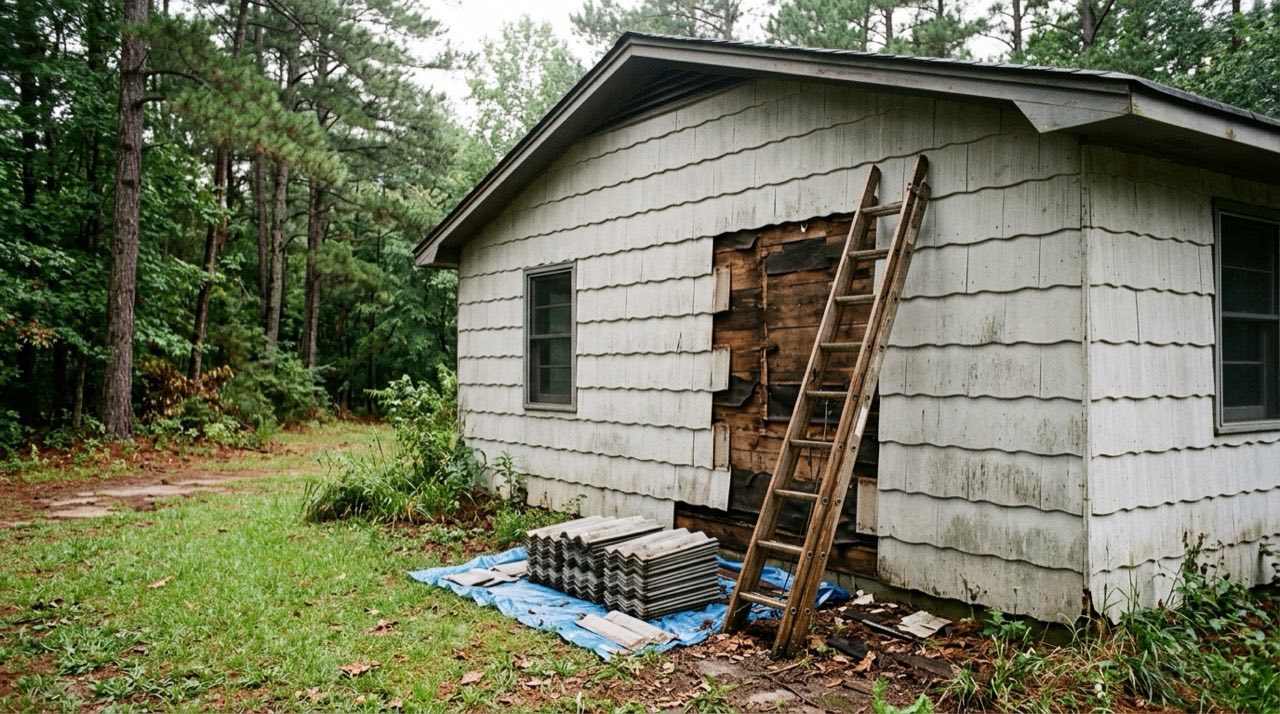
Loose, grey-brown pebble fill in an attic may be vermiculite, much of which was mined at a source contaminated with asbestos. Outside, cement-board shingles and siding were often made with it too.

Services

Testing, Removal and Surveys

Six kinds of work, each with its own page. Every one starts with knowing what the material is — a sample decides the rest.

How the work is done

The Fibres Stay Inside the Containment

Asbestos is a hazard once its fibres are in the air. Every step of the job is set up to stop that happening.

Sealed work area

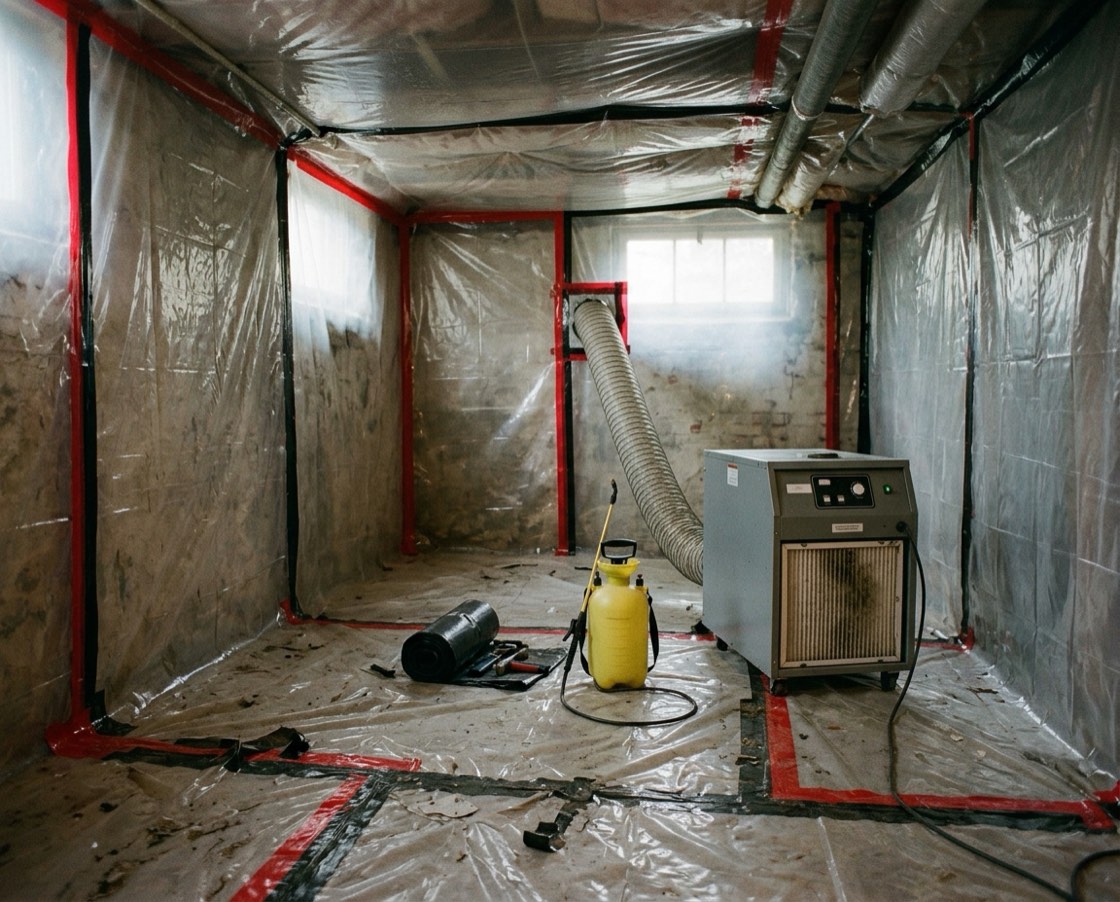
Plastic sheeting, taped seams and an air machine with a HEPA filter pulling air out of the work area, so any fibres released go into the filter, not into the rest of the building.

Wet removal

Material is kept wet while it comes out. Wet fibres stay in the material and fall rather than drifting, which is the simplest and most important control on any asbestos job.

Bagged and labelled

Waste is sealed in labelled, heavy-duty bags or wrapping and taken to a landfill permitted to accept it, with paperwork that follows it there.

Checked before take-down

The work area is cleaned and inspected before the containment comes down. On regulated jobs that includes the clearance the rules require.

Basement sealed for asbestos work, with plastic sheeting taped over the walls and floor, a negative-air machine with a flexible duct, a pump sprayer and a roll of disposal bags on the floor

Process

Five Steps, Sample to Clearance

Nothing is disturbed until a lab says what the material is, and the plastic does not come down until the area has been checked.

Sample

Each suspect material is sampled and sent to a lab. You get a written result for each one.

Plan and notify

A written scope and quote, plus any notice or permit the job needs from the county or state.

Contain

The work area is sealed in plastic and put under negative air with HEPA filtration.

Remove

Wet removal, bagging, and a HEPA vacuum and wet-wipe clean of every surface.

Clear

The area is inspected and checked before the plastic comes down and the room is handed back.

Found Something That Might Be Asbestos?

Leave it alone and call. Every job starts with a sample, not a scraper.

Service areas

Charlotte and the Towns Around It

Which asbestos office a job answers to depends on the county, so each area page covers the rules that apply there.

Not listed? Call anyway — if the job is near an area we already cover, we can usually help.

FAQ

Asbestos Questions We Hear Most

How do I know if my house has asbestos?
Age is the first clue: asbestos was used in many building materials through the 1970s and some into the 1980s. But you cannot identify it by eye. A sample of each suspect material goes to a lab, which reports whether asbestos is present. Textured ceilings, old floor tile and its adhesive, pipe and boiler insulation, attic vermiculite and cement-board siding are the usual places to start.
Is asbestos dangerous if I leave it alone?
Asbestos causes harm when its fibres get into the air and are breathed in. Material that is intact and not being disturbed usually releases very little. That is why testing comes before a remodel: the risk comes from cutting, sanding, scraping or tearing out a material without knowing what is in it.
Do I need a permit or notice for asbestos removal in Charlotte?
Often, and the details depend on where the building is. Mecklenburg County Air Quality runs the asbestos program inside Mecklenburg County and wants notice 10 working days before a regulated demolition or renovation. The surrounding North Carolina counties fall under the state Health Hazards Control Unit, and Rock Hill follows South Carolina's rules. What is needed depends on the amount of material, the type of building and whether it is a renovation or a demolition. Each area page covers the office that applies there.
How much does asbestos removal cost?
It depends on the material, how much of it there is, how hard it is to reach and how much containment the job needs, so every job is quoted after testing and a look at the site. A few feet of pipe wrap and a whole attic of vermiculite are very different jobs.
Can I stay in the house during removal?
For many jobs, yes. The work area is sealed and kept under negative pressure, so the rest of the house stays in use. For large jobs, or where the containment cuts off a kitchen, bathroom or the only stairs, we will say up front if you should plan to be out.
Can I remove asbestos myself?
Rules for homeowners working on their own single-family home differ from the rules for contractors, and they differ between counties. Even where it is allowed, removing asbestos without containment, wetting and proper disposal can spread fibres through the house and expose everyone in it. If you are considering it, test first and read the rules for your county before you start.

Found Something Suspicious?

Leave it alone and call. We start with a test. Serving Charlotte and the surrounding counties.

Call now Inspection